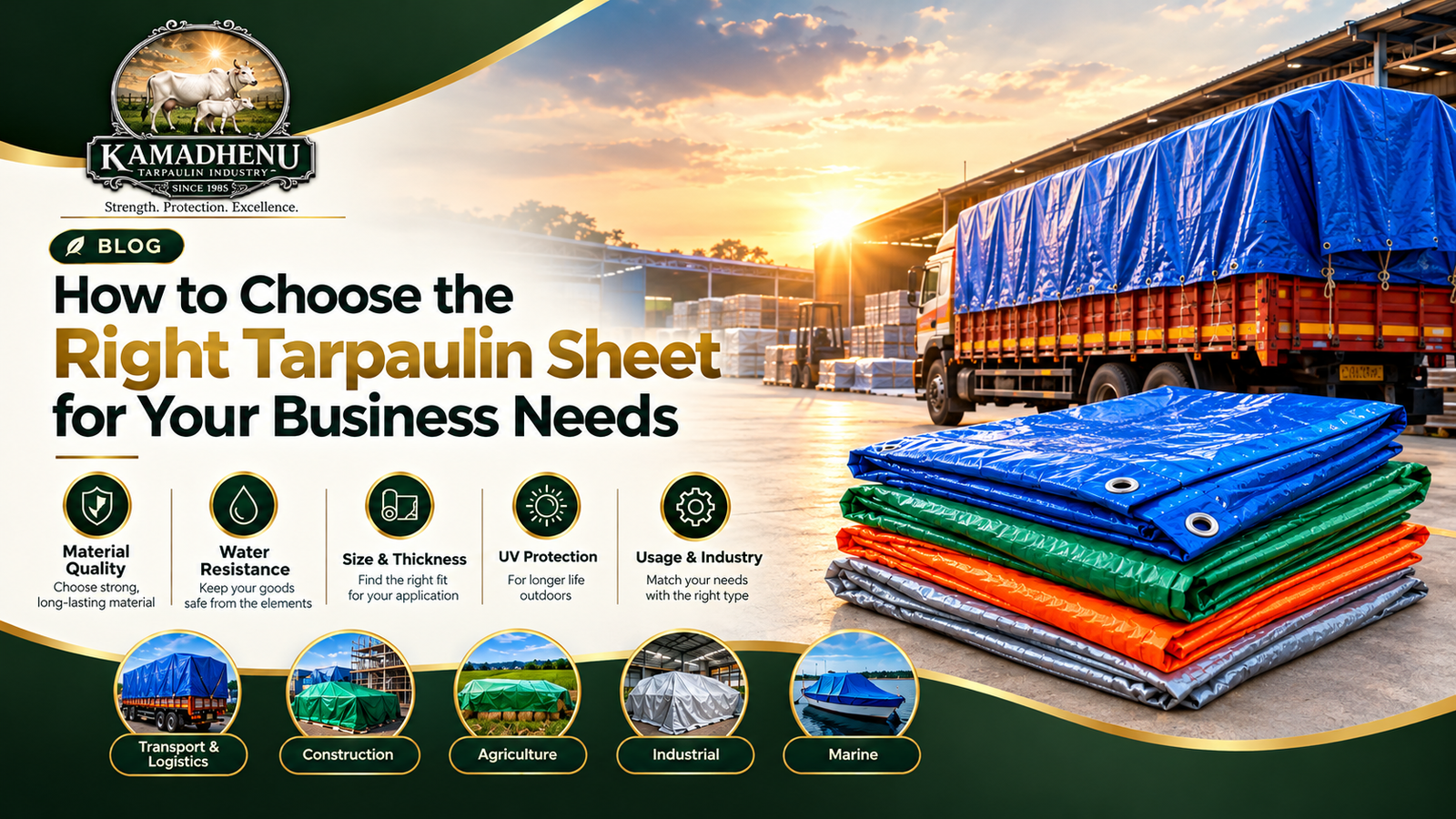
Choosing the right tarpaulin sheet is essential for
protecting goods, equipment, and outdoor spaces from changing weather
conditions. Whether you run a construction business, manage a warehouse, or
work in agriculture, selecting the right material can help reduce damage and
improve long-term cost efficiency.
Understand Your Purpose
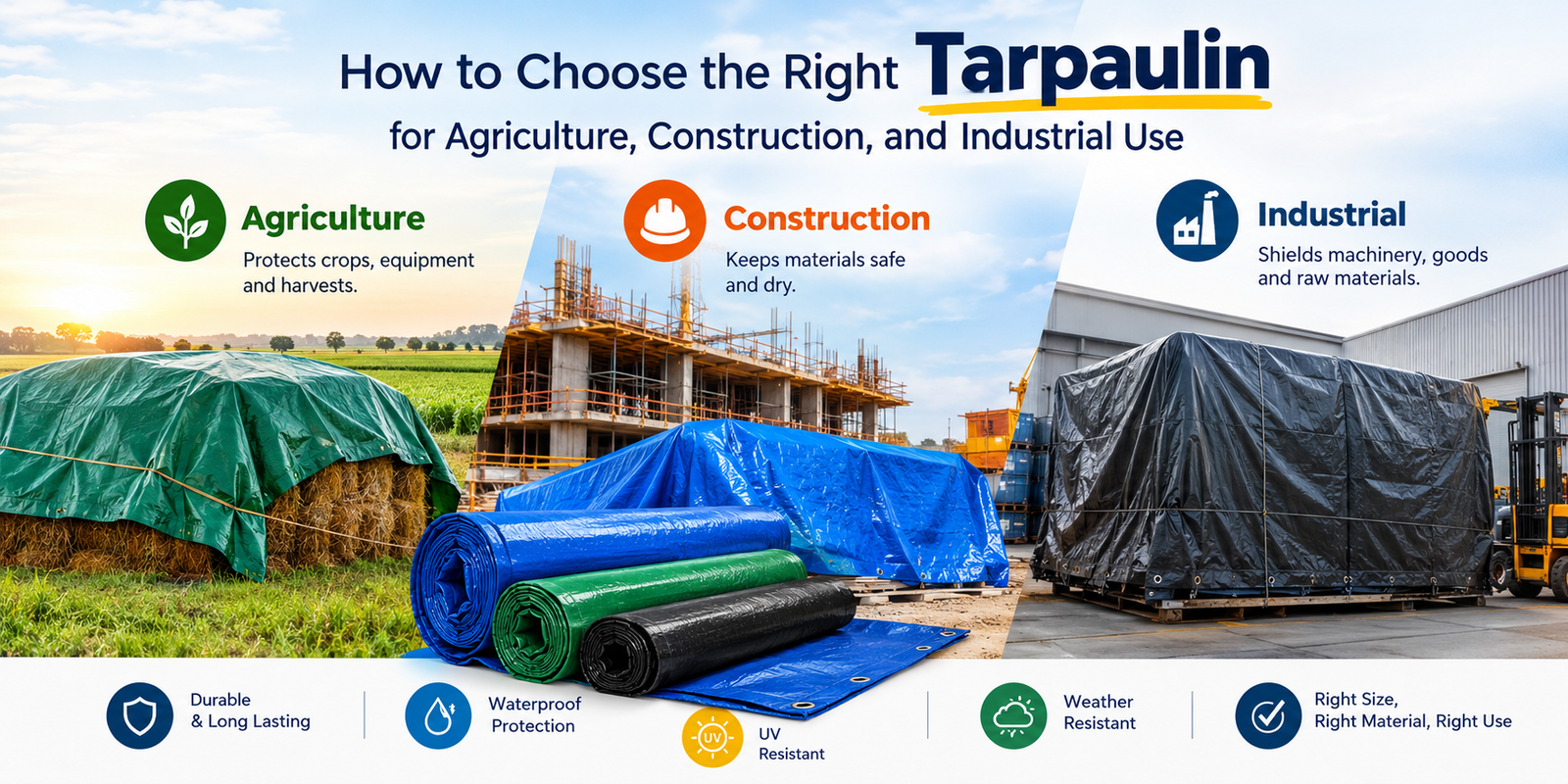
Before purchasing a tarpaulin sheet, identify how you plan
to use it. Construction sites may require durable sheets to cover building
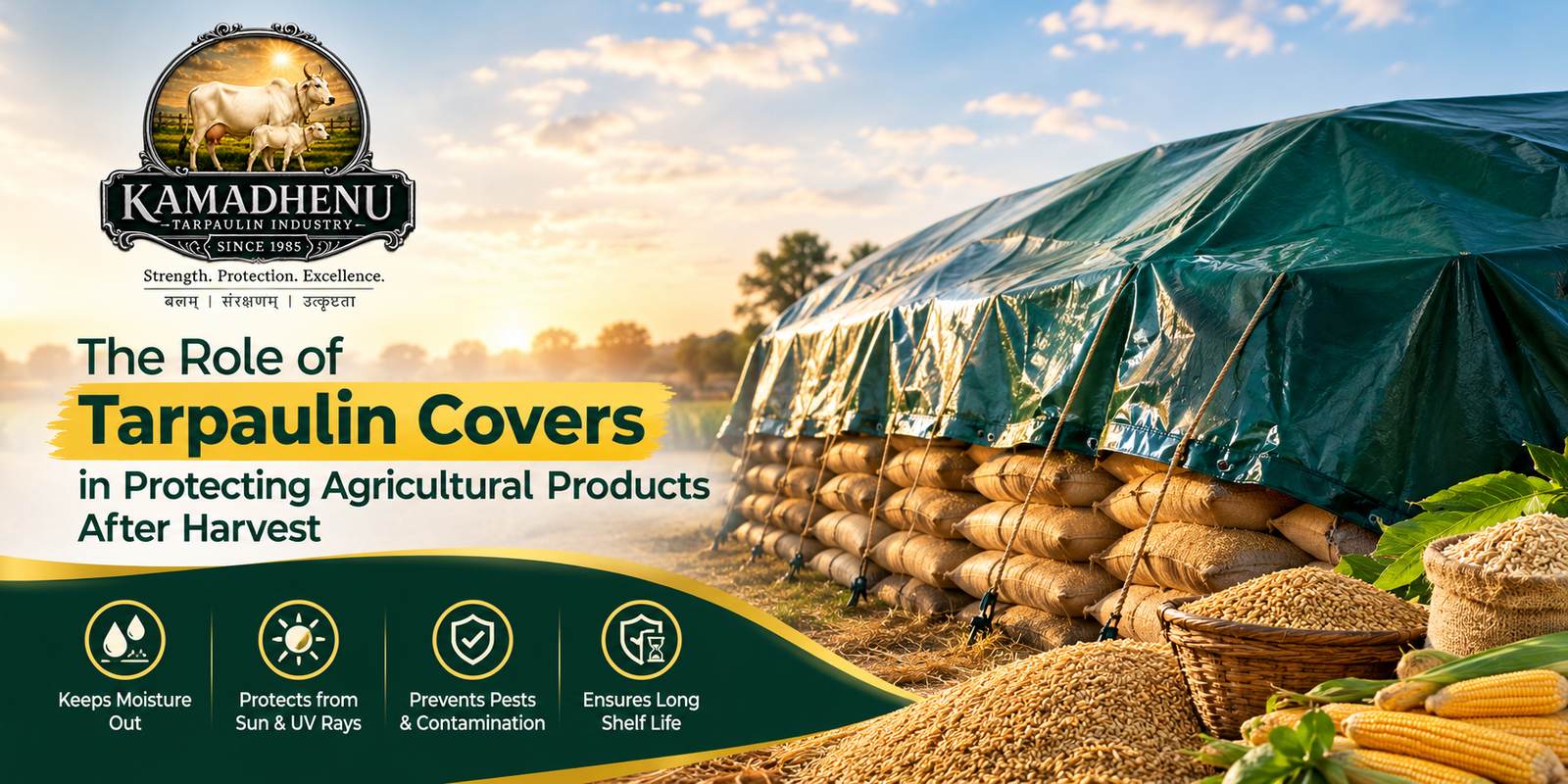
materials, machinery, and unfinished structures. Farmers may need tarpaulins to
protect harvested crops, while transport businesses often use them to cover
goods during transit. Understanding your requirements makes it easier to select
a suitable product.
Choose the Right Material
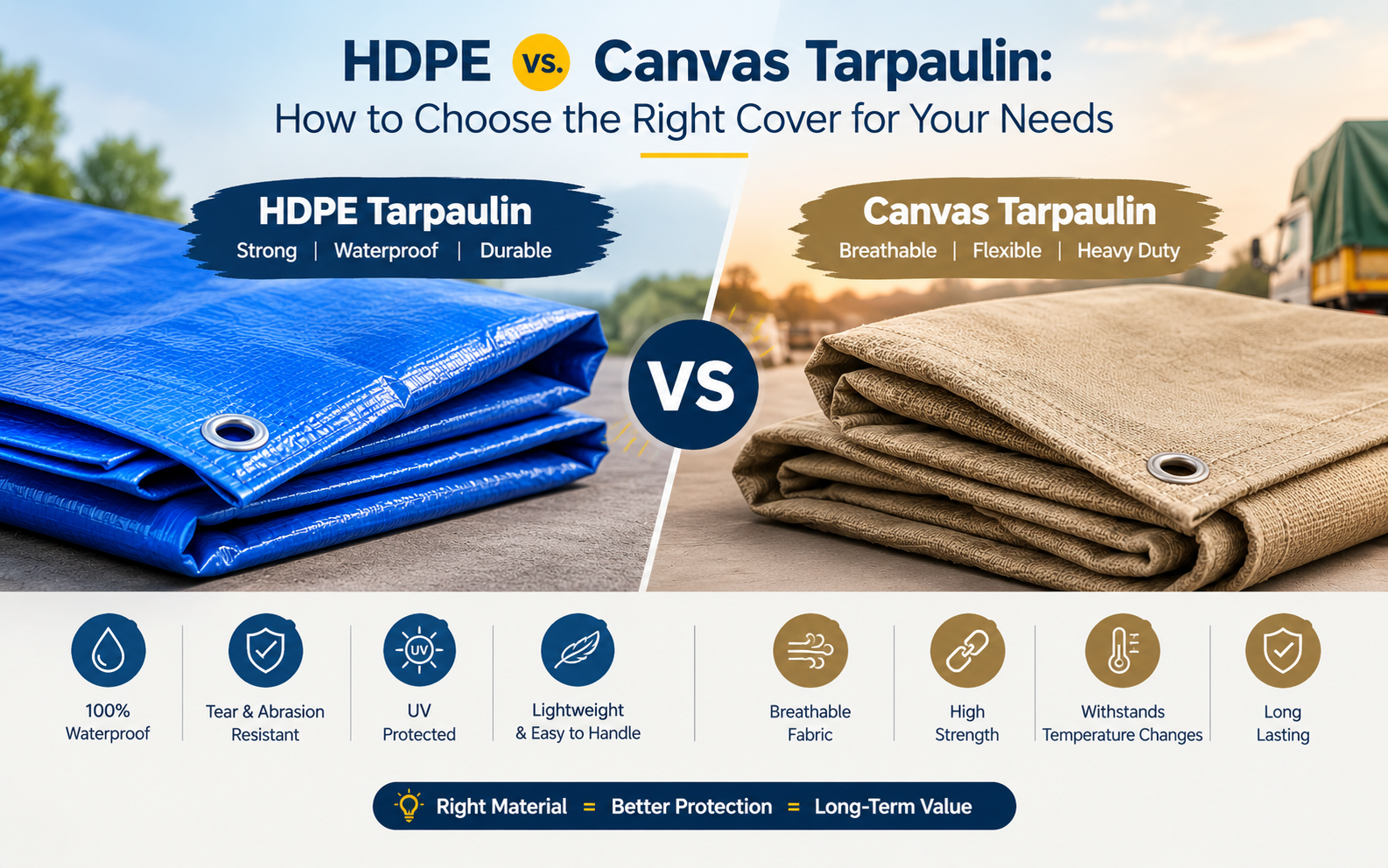
Different tarpaulin materials offer different benefits. PVC
tarpaulins are often preferred for demanding applications because of their
strength and resistance to moisture. HDPE tarpaulins are lightweight,
versatile, and commonly used for agricultural, domestic, and commercial
purposes. Canvas tarpaulins may be suitable for applications where
breathability is important. Always consider the working environment before
making your choice.
Check Waterproofing and Durability
If your materials will be exposed to rain or humidity,
waterproofing should be a priority. Look for tarpaulin sheets designed to
resist water penetration and withstand the expected weather conditions.
Reinforced edges, strong stitching, and quality eyelets can also improve
usability and help secure the sheet properly.
Select the Appropriate Size and Thickness
Choosing the correct size ensures adequate coverage without
unnecessary material or excessive overlap. Measure the area you need to cover
before ordering. Thickness and weight should also match the intended
application. Heavy-duty requirements may call for stronger sheets, while
temporary covers may need lighter options.
Consider Maintenance and Value
A good-quality tarpaulin sheet can provide better value when
it is used and maintained correctly. Clean the surface periodically, allow the
sheet to dry before storage, and keep it away from sharp objects that could
cause damage. Inspect it regularly for tears or weakened edges.
Conclusion
Selecting the right tarpaulin sheet involves considering
material, size, durability, waterproofing, and intended use. By evaluating
these factors, businesses can protect valuable assets and make practical
purchasing decisions. Explore the available tarpaulin solutions from Kamadhenu
Tarpaulins to find an option that suits your operational requirements.