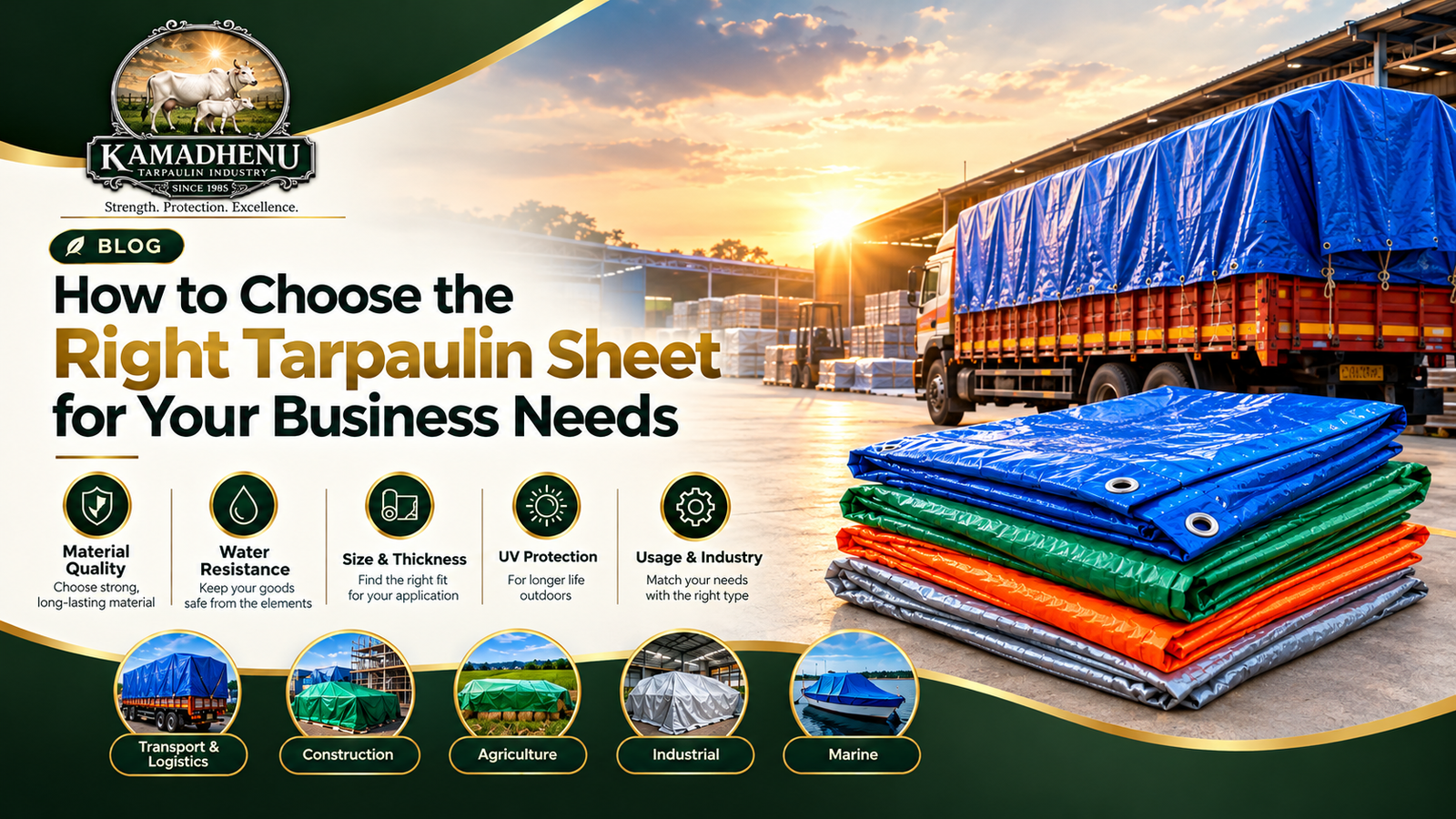
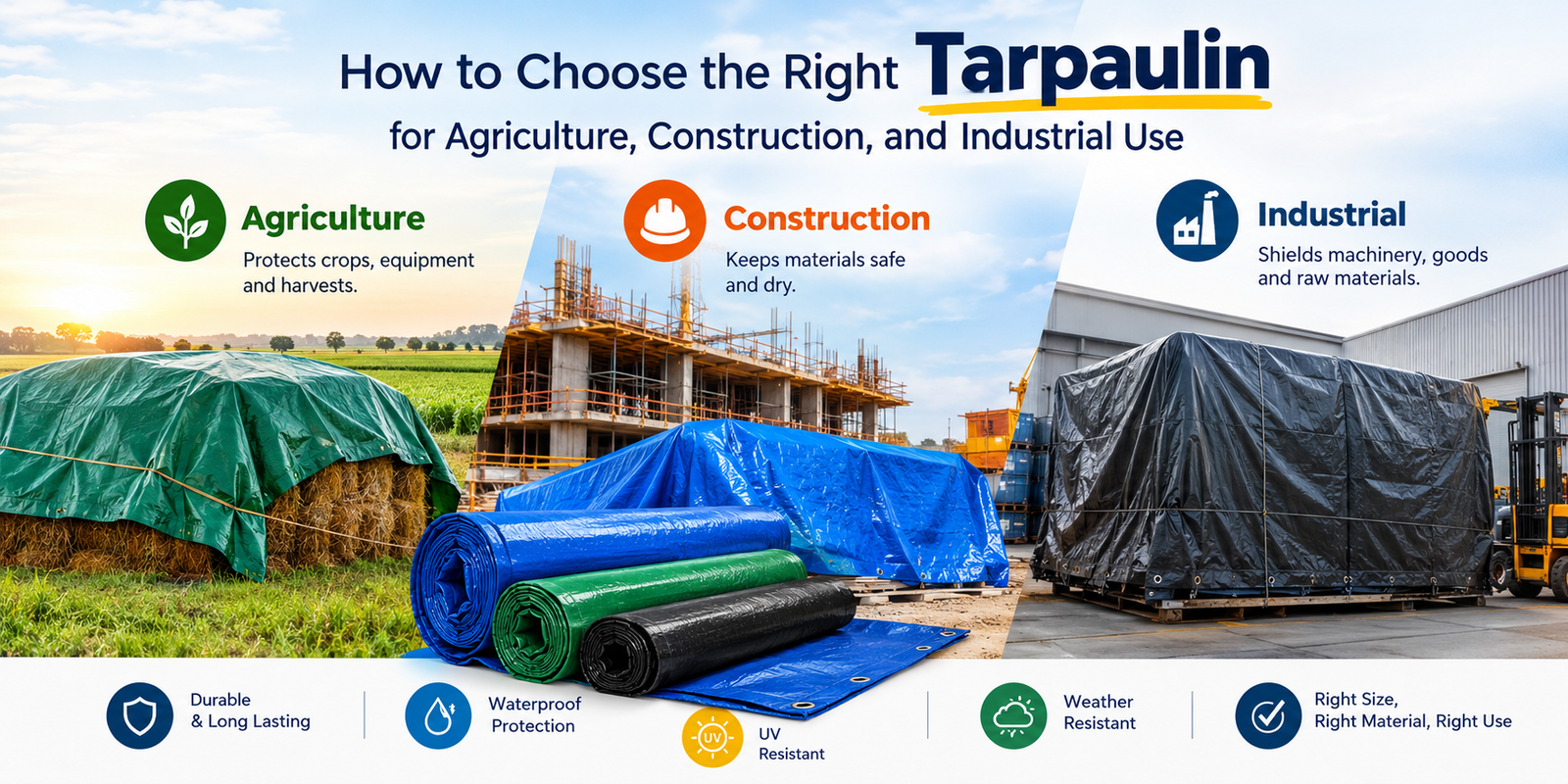
Tarpaulins are widely used in agriculture, construction, transportation, and industrial applications to cover, protect, and store materials. However, choosing the right tarpaulin depends on where and how it will be used. Understanding the available materials, sizes, and practical requirements can help you make an informed purchasing decision.
1. Understand Your Purpose
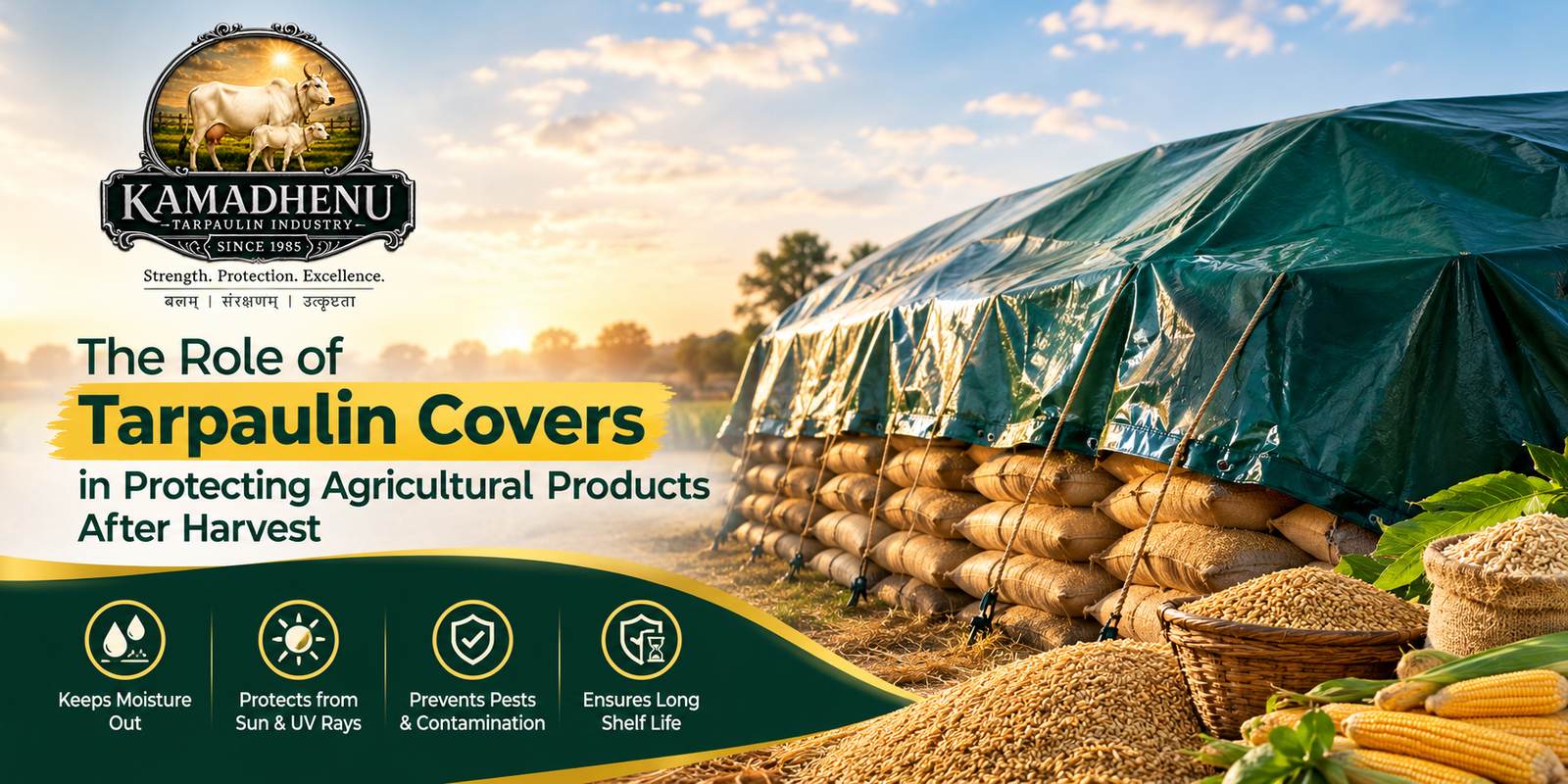
Before purchasing a tarpaulin, identify its primary application. Agricultural users may need covers for equipment, harvested crops, or storage areas. Construction sites may require coverings for building materials, machinery, and work areas. Industrial businesses may use tarpaulins to protect goods during storage and transportation.
Defining the intended use helps narrow down the suitable material and specifications.
2. Choose the Right Tarpaulin Material
Different materials offer different characteristics.
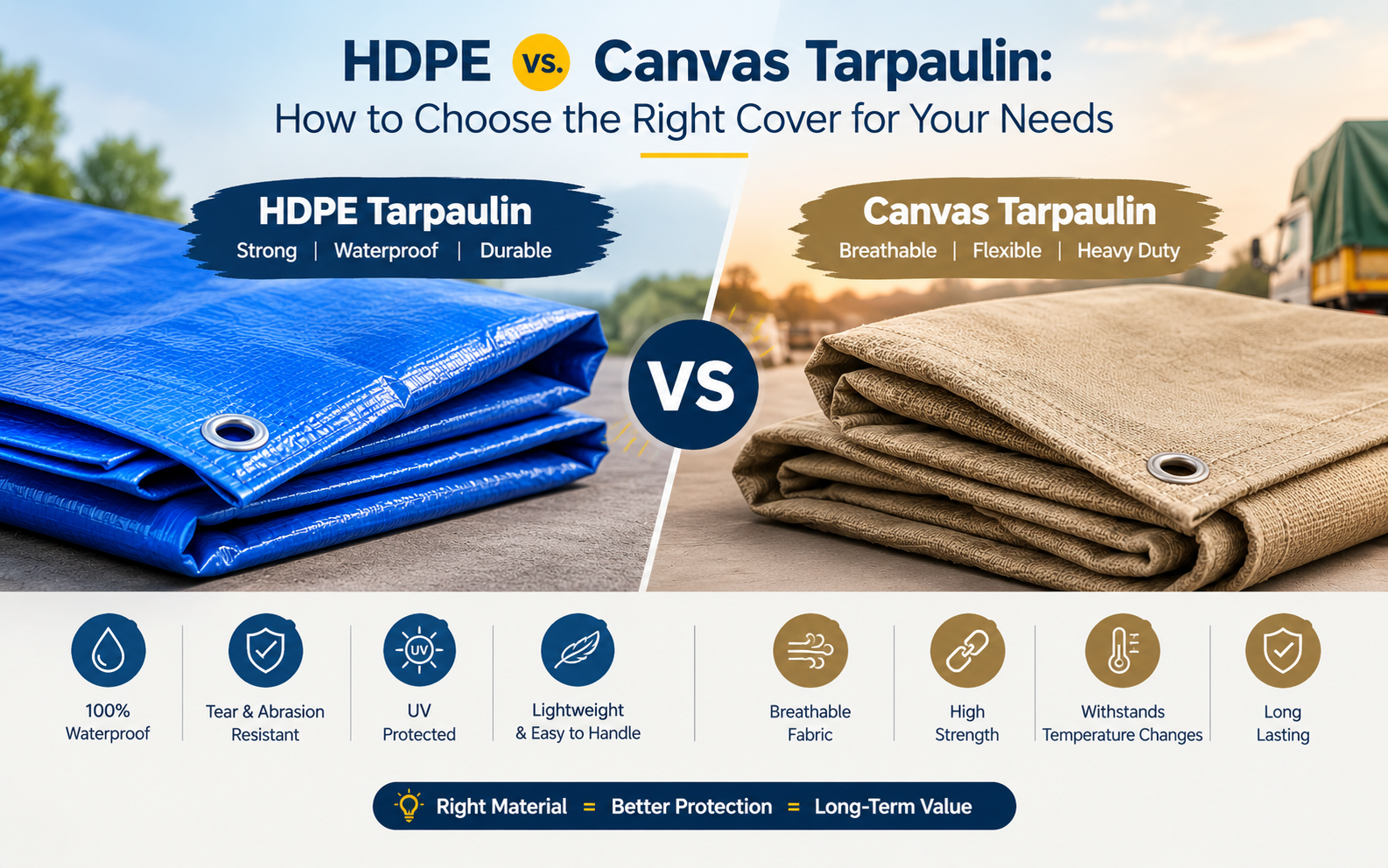
● HDPE tarpaulins: Commonly considered for agricultural, commercial, and general-purpose covering applications.
● LDPE tarpaulins: Used in selected covering and packaging applications, depending on the product specifications.
● Canvas tarpaulins: An option for applications where a fabric-based covering is preferred.
● Multi-layer tarpaulins: May suit applications requiring a particular construction or combination of material layers, depending on the product design.
Always review the manufacturer's specifications to ensure the material is appropriate for your intended application.
3. Select the Correct Size and Thickness
Measure the area or items you need to cover before ordering. Allow sufficient material for overlap, fastening, and securing the edges.
Thickness, weight, and dimensions can affect handling and suitability. Rather than selecting a product based on thickness alone, compare the specifications with your intended use and expected conditions.
4. Consider Weather and Environmental Conditions
If the tarpaulin will be used outdoors, consider exposure to sunlight, rain, wind, dust, and changing temperatures. Check the product specifications for relevant properties, such as water resistance and UV resistance, instead of assuming that every tarpaulin offers the same level of protection.
5. Check Fastening and Handling Requirements
Grommets, reinforced edges, ropes, and suitable fastening arrangements can help secure a tarpaulin during use. Consider how frequently the covering will be installed, removed, folded, or transported.
Correct installation and suitable securing methods can help reduce unnecessary wear and damage.
6. Compare Quality, Price, and Maintenance
When comparing tarpaulins, consider material quality, dimensions, weight, intended application, and expected service requirements. The lowest-priced option may not be the most suitable if it does not meet your needs.
Keep the tarpaulin clean, dry it appropriately before storage when required, and inspect it regularly for tears or damaged fastening points.
Conclusion
Choosing the right tarpaulin involves understanding the application, selecting suitable materials, checking dimensions, and reviewing the manufacturer's specifications. These considerations can help agricultural users, construction businesses, and industrial buyers identify a product suited to their requirements.
Kamadhenu Tarpaulins offers tarpaulin products for customers exploring covering and protection solutions. Visit the Kamadhenu Tarpaulins product page to explore available products and identify options for your application.